

Working Class Weekly: Expanding the Battleground in Mississippi

Last week, we shared how our research with working class voters informed our paid media strategy in Alaska — a state that’s been reliably red for years but is ripe for a potential Democratic upset in the Senate race this year.
We’re continuing that strategy. This week, we launched ads in what may be our longest-shot on the board in the Mississippi’s Senate race.
The Magnolia State is the latest investment in our multi-million dollar midterm ad campaign. We’re targeting swing working class voters in nearly 20 key races, putting traditionally safe Republican seats — including districts rated R+3 or higher — in play this November. Every ad we’re releasing this cycle builds on the extensive voter research conducted through this Working Class Project, the largest research effort in the Democratic Party to understand how working class voters are thinking about the 2026 midterms — and what Democrats need to do to earn their votes.
THE CONDITIONS
Mississippi hasn’t elected a Democratic senator since 1982, but 44 years later, the window is finally opening. Democrats are looking to seize it with Scott Colom, a district attorney mounting a bid to unseat incumbent Cindy Hyde-Smith.
Even though the state has been reliably red for years, recent trends show a rising opportunity for Democrats. Democrats’ margins in Mississippi have been narrowing over the past several cycles, chipping away at Republicans’ stronghold in the state and building momentum. In 2018, Democrat Mike Espy lost his Senate bid to Hyde-Smith by 7.8 points. In the 2019 gubernatorial race, Democrat Jim Hood lost by 5.5 points. Then, three years ago, the Democratic candidate for governor lost by just 3.2 points — the best statewide performance by a Democrat in decades. Last November, Democrats flipped three Republican-held state legislative seats, including two that broke Republicans’ long-held supermajority in the state Senate. And this March, Democrats came within approximately 10,000 votes of matching Republican turnout in the state’s primary.
Taken together, these shifts show a real path to a statewide win if the conditions are right.
Mississippi’s economy gives them exactly that. Agriculture is the state’s number one industry, employing over 11 percent of its workforce directly or indirectly, and tariffs have hit it hard — raising costs, shrinking export markets, and putting the state in the crossfire of retaliatory measures. Cindy Hyde-Smith voted repeatedly to protect those tariffs. The state is also particularly hard hit by the Big Beautiful Bill’s cuts to Medicaid that Hyde-Smith voted for. Mississippi is among the states most dependent on federal funding to run Medicaid, and its rural healthcare system makes it especially vulnerable to hospital closures.
Our focus groups across the country and especially throughout the South have shown these are exactly the kinds of economic pressures that are turning working class voters away from Republicans and opening them up to voting for Democrats. It won’t be easy to compete in territory this red — but the historic trends and current conditions have put the seat in play, and working class voters will decide it. That’s why we’re applying every lesson from our research to capitalize on this momentum and win the working class in Mississippi.
ALL ABOUT COSTS
Tariffs, Medicaid cuts, and corruption all tie back to one thing: costs. Working class voters are feeling high costs everywhere — the grocery store, the doctor’s office, the gas pump, the hardware store — and they feel like they can’t get ahead no matter what they do. That’s the sentiment we’ve heard from every focus group we’ve conducted with working class voters, and it’s the lens through which every issue in our ads is framed.
We’re hitting Hyde-Smith hard on her support for tariffs (even though there are plenty of ethical hits on her) because Mississippi is so heavily agricultural. We’re featuring real working class voices — the kind we’ve heard from throughout this project — describing the strain of keeping their business and families afloat as tariffs make their costs rise.
And as we noted last week, corruption is a powerful message for Democrats when it’s tied explicitly to cost of living. We’re hitting Hyde-Smith for enriching herself and her donors while working class Mississippians watch their own costs rise, including her vote against a congressional stock trading ban — a negative that has consistently moved voters in our testing.
Mississippi has the highest share of Black working class voters in the nation. Winning back the working class here means speaking directly to the issues they care about most.
Our focus groups show that the same cost and corruption messages moving white working class voters away from Republicans can also energize Black voters. Working class voters value hard work and the ability to support their families but feel like they can’t get ahead no matter what they do. That shared frustration is what makes the message land.
Medicaid cuts hit just as hard for Black and white working class voters. Stripping healthcare from those who need it most and pushing rural hospitals towards closure resonates strongly across both groups — the unfairness of cutting services for the less fortunate loomed especially large with Black voters. Corruption landed equally hard too. Voters across race see politicians in Washington getting richer while their own paychecks stress less far — and see Trump and Republicans looking out for their wealthy friends, not them.
REAL WORKING CLASS MISSISSIPPIANS
Debby is a dog trainer from Hernando. She’s voted Republican in the past but feels betrayed by Cindy Hyde-Smith. Tariffs have raised the cost of maintaining her business and cost her customers. Medicaid cuts have closed rural hospitals in her community. She’s tired of Hyde-Smith enriching herself and billionaires while working class Mississippians like herself struggle to keep up.
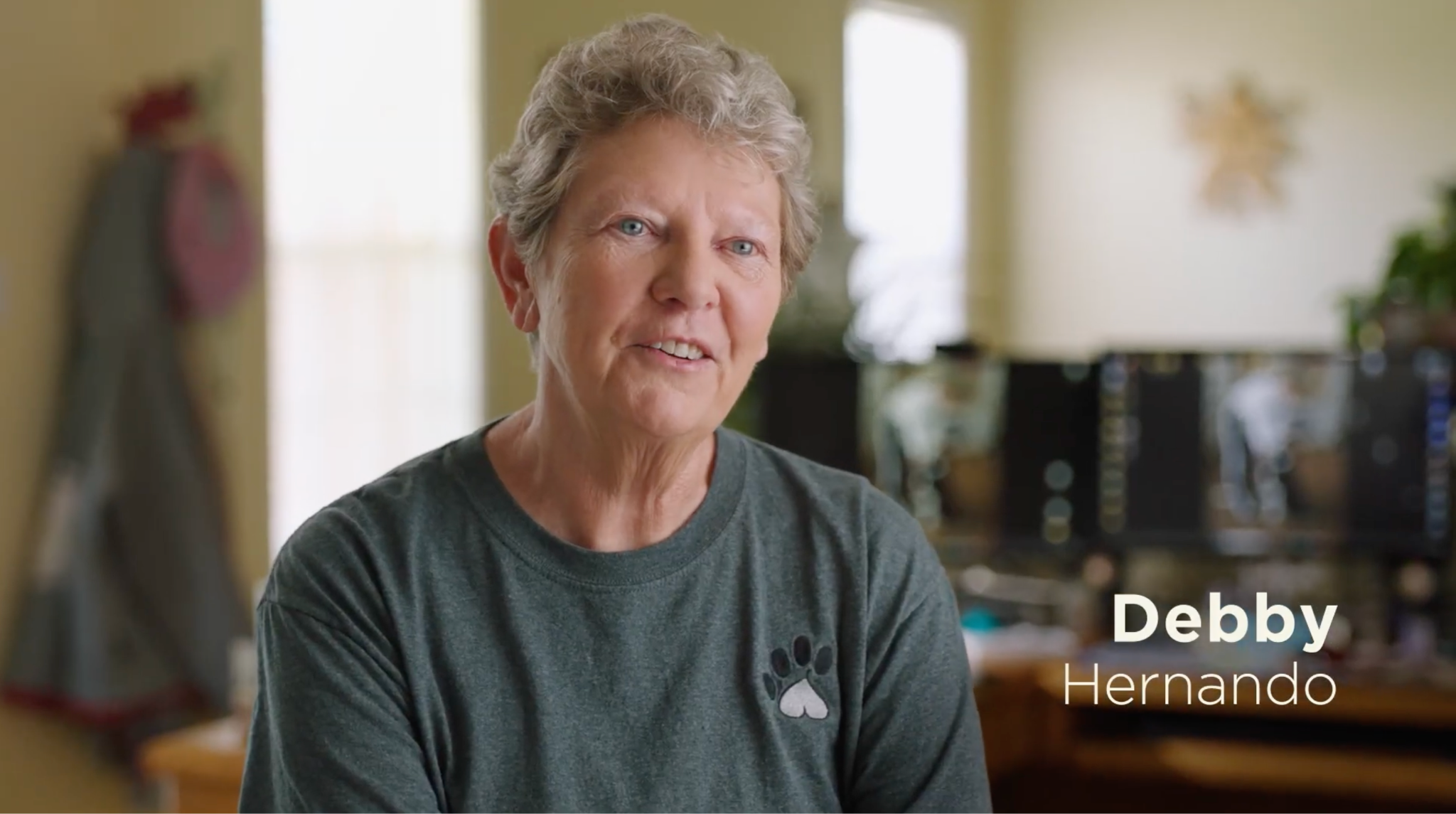
Debby reflects what we’ve heard from working class voters nationwide, but she also captures what’s unique about Mississippi. That’s the formula we’re running to defeat Cindy Hyde-Smith in November: pairing the kitchen-table issues raising costs everywhere with the specific pressures facing Mississippians.
The working class is struggling under Republicans’ agenda, and that’s what makes the conditions right for Democrats, even in a state like Mississippi. It won’t be easy, but we have a shot, and we’re taking it.
As the campaign continues, we’ll also prosecute the case aggressively on Medicaid. Our research has consistently shown that once voters learn Republicans’ Big Beautiful Bill gutted the program, it becomes a real liability for them. So we’ll be highlighting voters whose healthcare is directly on the line because of Hyde-Smith’s vote to cut it.
Affordability is the right message. Fuel prices. Diesel for ag. Fertilizer. You can win this.