


Democrats were long considered the party of the working class. For the past several cycles, however, that coalition has been progressively cracking, with Trump’s 2024 presidential victory — built in large part on his capturing of the working class vote — indicating just how deep that fracturing had gone. That’s why American Bridge launched the Working Class Project — to understand how working class voters are thinking about the issues in their lives and what their elected leaders can do about it.
Our research through this project has shown us that in recent years working class voters have come to think of Democrats as out of touch — disconnected from the issues actually straining their lives. But our research also shows that these voters know things aren’t getting better under Republicans. That has given Democrats an opportunity to win back the working class in special elections and this fall’s midterms.
This year we’re seeing not just candidates who can speak to working class issues, but candidates who openly identify themselves as working class, identifying their shared economic anxiety firsthand. And they’re running this cycle against Republicans whose agenda is actively making those financial pressures worse.
This week, we’re highlighting some of the Democratic candidates leaning into that background to connect with the voters Democrats need to win back.
REAL WORKING CLASS CANDIDATES
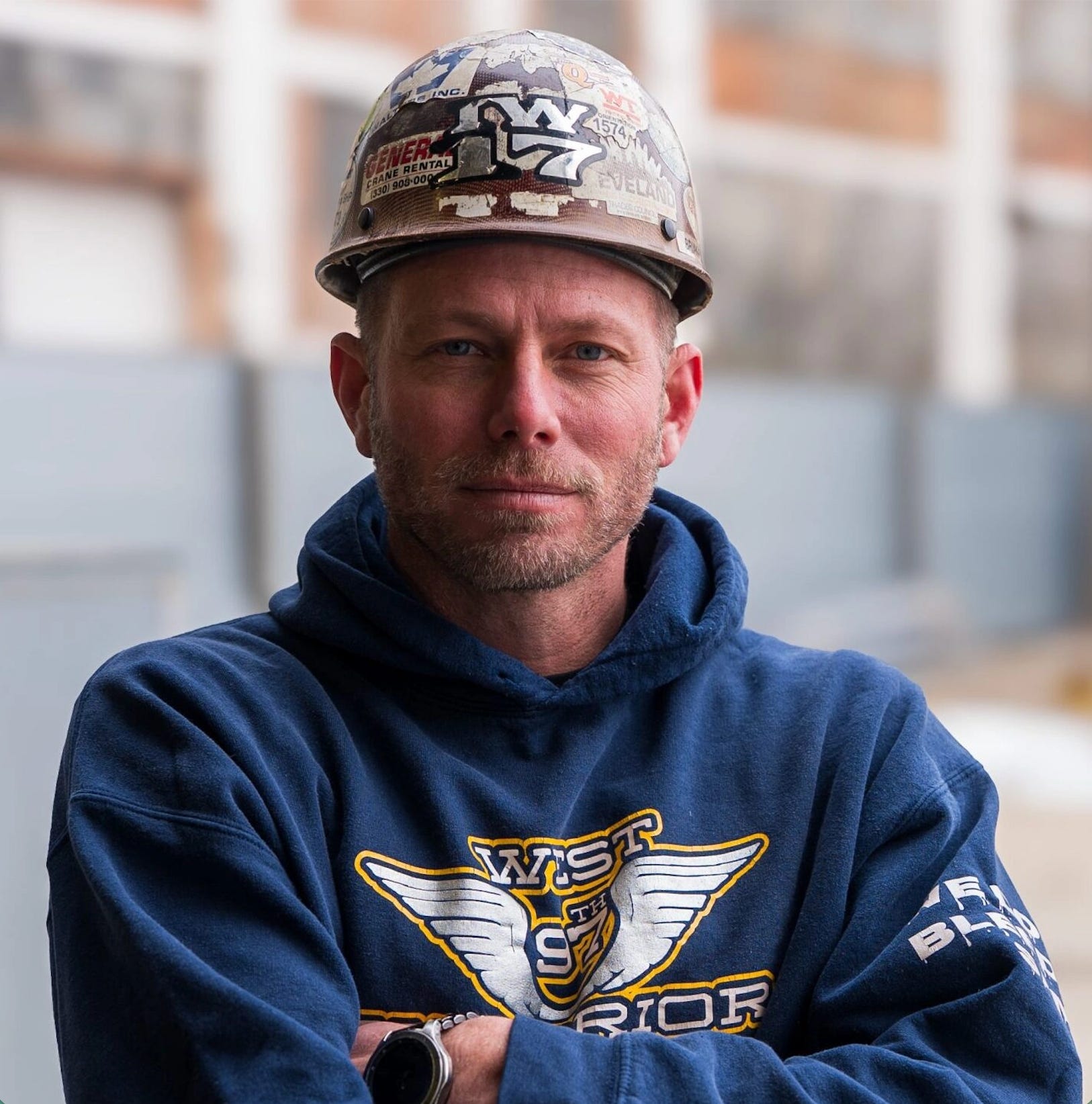
OH-7: Brian Poindexter
In Ohio, Brian Poindexter is taking on Republican incumbent Max Miller. Miller, the embattled congressman accused of domestic abuse by his ex-wife, refused to withdraw from the race despite calls to step aside. Poindexter’s biography offers a sharp contrast from Miller, who grew up wealthy as the grandson of a prominent Cleveland real estate developer. Poindexter grew up one of six children raised in a union household — his grandfather was a unionized auto worker, his father was a unionized machinist, and Poindexter himself is a union ironworker. He’s leaning on this background to position himself as a fighter for working class families, making the case that Republicans in Washington are making it harder for families like his to get ahead.
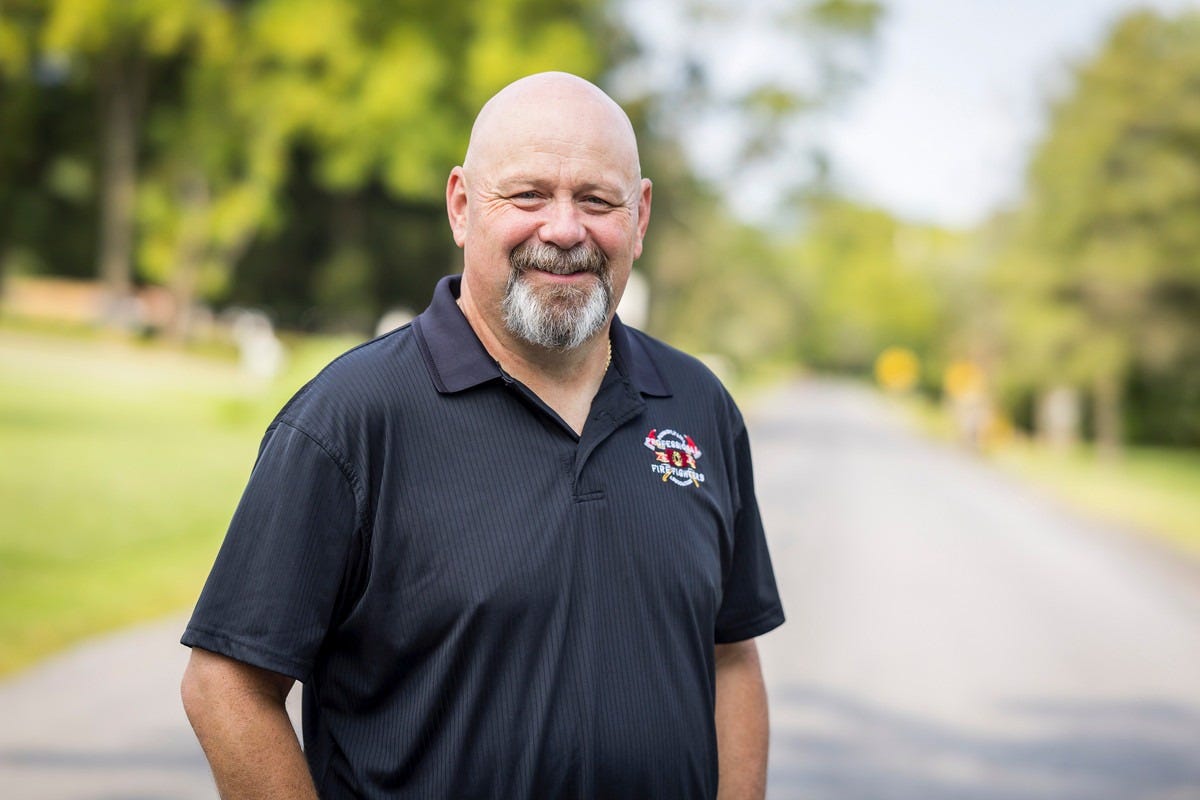
PA-7: Bob Brooks
Bob Brooks is running to unseat Republican Rep. Ryan Mackenzie in Pennsylvania’s Seventh District. A retired firefighter and former president of the Pennsylvania Professional Fire Fighters Association, Brooks was raised by a single mom who worked as a bartender to put food on the table. Brooks himself held jobs such as dishwasher, bartender, warehouse worker, and pizza delivery driver before his firefighting career. As union president, Brooks has fought for workers’ pay, benefits, and healthcare, and he’s using that background to contrast himself with Mackenzie, who voted to gut working families’ healthcare to give tax cuts to the ultra-wealthy. His message is grounded in making life more affordable for the working class, and is bolstered by his own experience as a member of it.
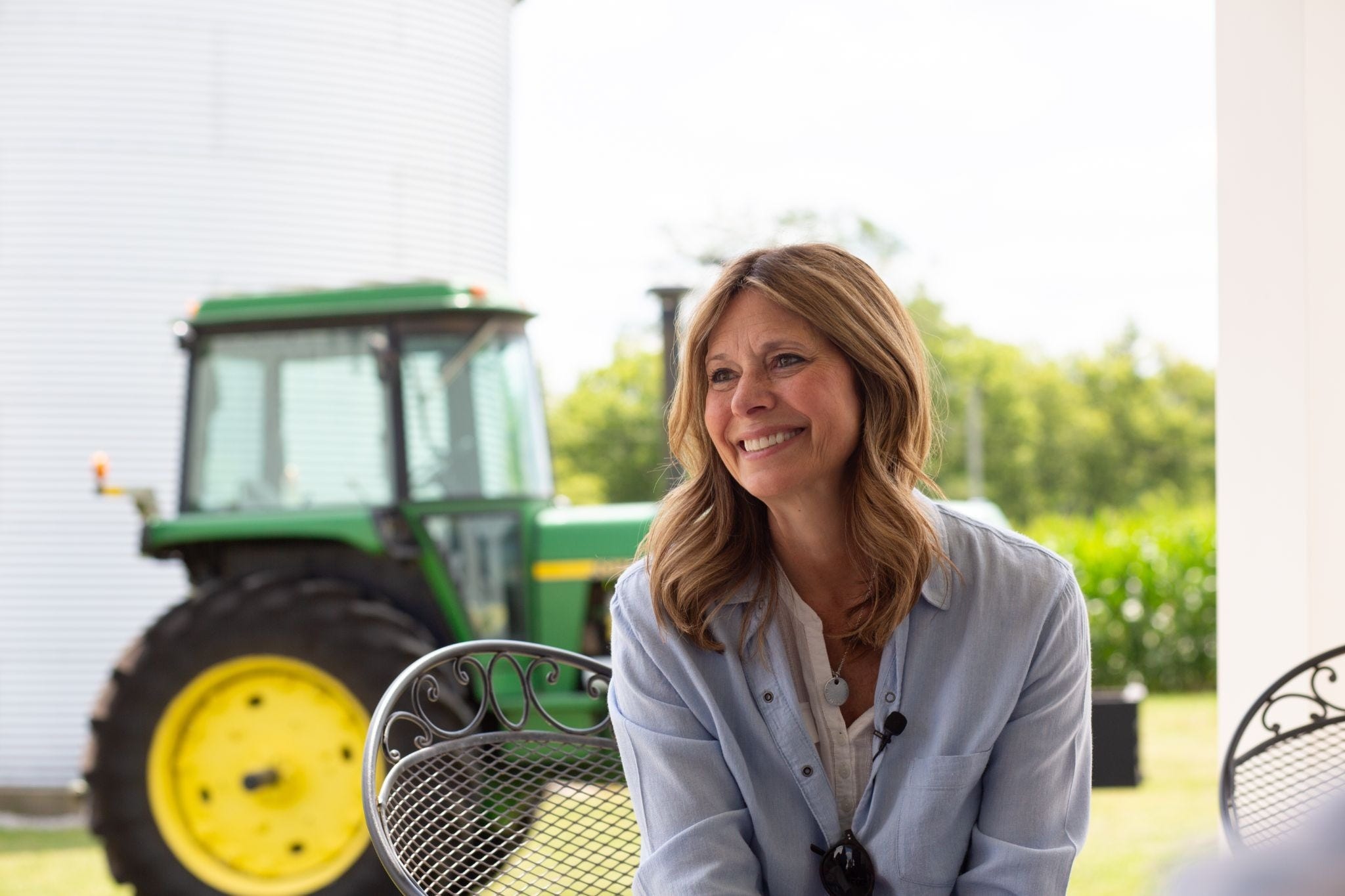
WI-3: Rebecca Cooke
Rebecca Cooke is challenging Republican incumbent Derrick Van Orden for Wisconsin’s Third Congressional District seat. Cooke hails from a dairy farming family, and her campaign emphasizes her family’s deep roots in Wisconsin’s farming community. Even as Cooke campaigns for Congress, she has continued to work as a waitress multiple nights a week. Cooke’s message is grounded in the real issues her district’s community faces — leaning on her working class background and deep ties to the community to drive that message home authentically.

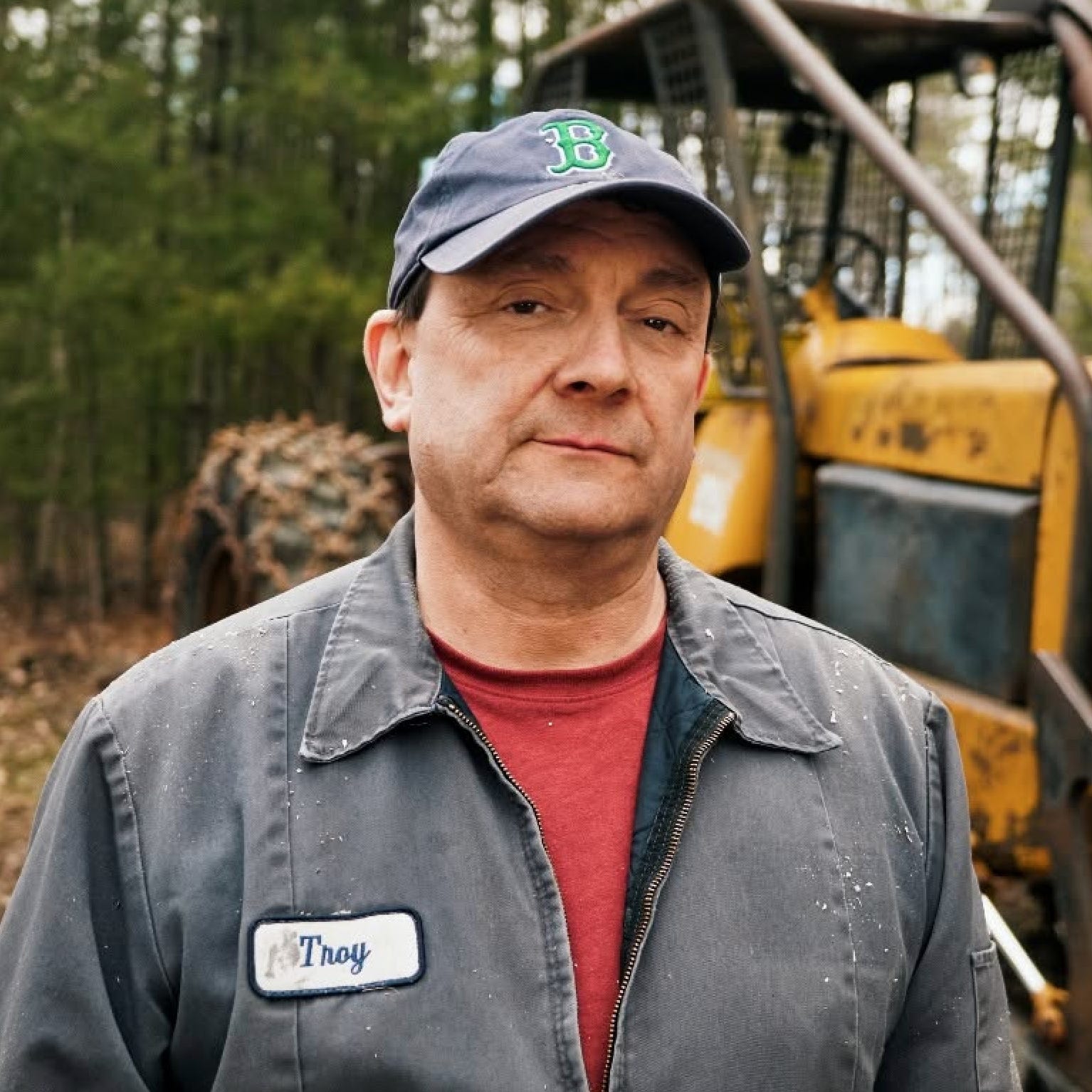
ME-SEN: Troy Jackson
In the Maine Senate contest, Troy Jackson is challenging five-term Republican Senator Susan Collins. A fifth-generation Maine logger, Jackson was born to a 16-year-old mother and grew up watching his father strike alongside fellow loggers to fight for better conditions for working Mainers. Jackson later led his own labor fight, striking against landowners over wage cuts. That history embodies working-class Maine, and Jackson is using it to draw a sharp line between himself and Collins, whose long Senate tenure has helped usher in the policies hurting working class families in the state.
IA-SEN: Josh Turek
Josh Turek is running against Rep. Ashley Hinson for Iowa’s open Senate seat. Turek grew up working class in Council Bluffs and was born with spina bifida, a result of his father’s exposure to Agent Orange in Vietnam — a background that lends credibility to his healthcare messaging. His campaign ads recount wearing Goodwill hand me downs, receiving VA coverage through his father’s service, relying on free summer lunch programs, and accessing a good education through the AEA. As a two-time Paralympic gold medalist and State Legislator, he credits his hard work, determination, and access to opportunities for his success, while arguing that Republicans in Washington are closing the same doors for Iowans today — cutting programs that helped him in order to fund tax breaks for billionaires.

OH-GOV: Amy Acton
Amy Acton is running for Ohio governor against MAGA Republican billionaire Vivek Ramaswamy. Acton is a Doctor now, but her working class roots are central to her campaign. Acton talks about her childhood being shaped by her family’s steel mill jobs, periods of homelessness, and childhood abuse. She worked as a waitress and delivered newspapers, working her way out of poverty to put herself through college and medical school. Her story is one of an American Dream that feels increasingly out of reach for too many Americans. She draws on her story of hardship and resilience to relate to the Ohio families who feel left behind.
NV-GOV: Aaron Ford
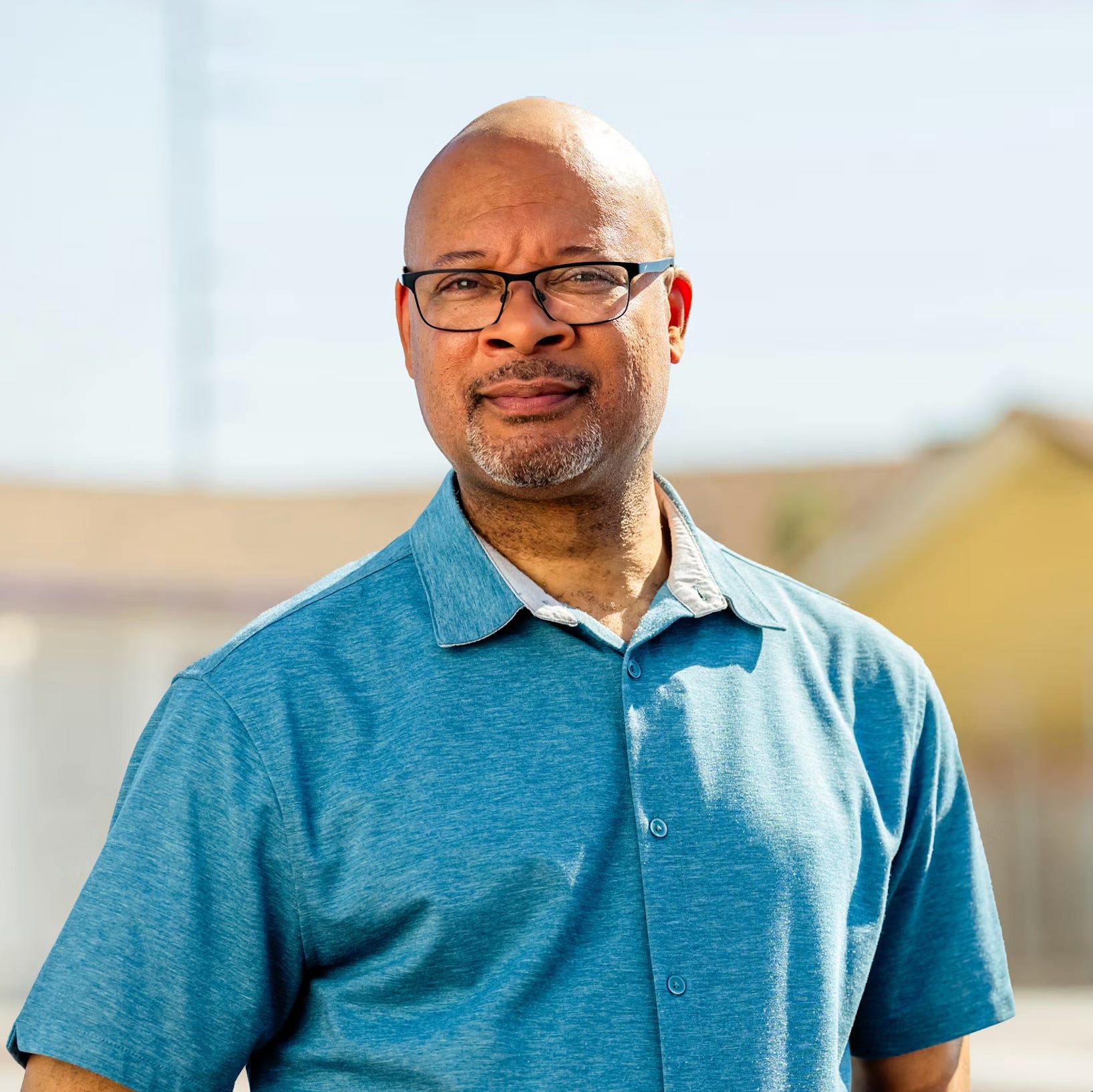
In Nevada, Democratic Attorney General Aaron Ford is running for Governor with a similar message. Ford grew up working class, his father a produce stocker at Safeway. When he became a single dad in college, Ford relied on Medicaid and food stamps to feed his family and keep them healthy. Ford talks about this journey on the campaign trail and the pathway that public education provided him to becoming Nevada’s A.G.. His story, like Acton’s, is representative of an American Dream that working class voters feel disappearing from within their grasp. Ford uses this background to distinguish himself as a fighter for working families. As Ford’s campaign puts it, he has “lived the struggle” and that’s why he’s running to make sure the system works for Nevada families like his.
THE CONTRAST
A biography alone won’t win back the working class. It has to be paired with a clear, authentic, and affirmative economic message that speaks directly to working class voters’ concerns.
That message is there for the taking. Republicans have made life more expensive for working families in nearly every corner of their lives, and now they’re the ones who have to defend that record. They cut the Medicaid and SNAP benefits millions of families rely on. They eliminated Affordable Care Act tax credits that will make health insurance more expensive. They backed the tariffs pushing up grocery prices and the war in Iran squeezing families at the pump. And they did it all while cutting taxes for billionaires and special interests who keep getting richer as everyone else falls further behind.
But simply parroting that message isn’t enough. Throughout our focus groups, working class voters across the board have put a premium on authenticity. They can tell the difference between a politician delivering a talking point and a candidate who means what they say. They reward candidates who they perceive as “a regular person,” “down-to-earth” or “true to their word.” Our research has shown that, while not a requirement, a working class background can help bolster this authenticity.
These voters also value showing up locally and speaking to local, “hometown” issues. They want to feel represented, and seeing a “normal” candidate whose message is grounded in the locally-specific issues they face provides them with that. Having an understanding of their district and their community is as important as having the right message.
Working class candidates who break through with these voters will be the ones that effectively use their background to authentically ground their economic message in the struggles their communities face.
https://sharonlawrence.substack.com/p/elections-project-for-americas-future
In the above, I've tried to identify all the changes in laws & program implementation that need to be made in state or federal law to ensure equitable treatment for workers. Have i missed anything?
it's important that in addition to identifying working class candidates you help voters understand what they need to be pressing candidates in. that will help immeasurably in voting in non-federal & non-statewide races.
Rebecca Cooke. Another Boebert?