

Working Class Weekly: Launching Our Campaign to Win Back the Working Class in North Carolina

Earlier this summer, we told you that the GOP support among working class voters in North Carolina was starting to fracture. Our focus groups this spring found these voters still frustrated with rising costs that show no sign of coming down, and they’re no longer giving Trump the benefit of the doubt. They are increasingly convinced that Republicans have the wrong priorities — and their furious about what the war in Iran is costing them, while their struggles to make ends meet at home go unaddressed.
North Carolina is one of the most important battlegrounds on the map this cycle. The state holds several competitive U.S. House races and represents one of the Democratic Party’s most important bids to flip a Senate seat. Winning in North Carolina is crucial to Democrats’ success this November — and the working class will be crucial to winning in North Carolina.
This week, American Bridge is launching our campaign to win in North Carolina, with new ads in the state’s 3rd, 5th, 9th, and 11th congressional districts.
North Carolina is the latest investment in our multi-million dollar midterm ad campaign. We’re targeting these swing working class voters in nearly 20 key races where we’re aiming to expand the battleground by putting traditionally safe Republican seats — including districts rated R+3 or higher — in play this November. This investment builds on extensive voter research from this Working Class Project.
BRINGING IT ALL BACK TO THE KITCHEN TABLE
If you’ve been following this project for a while, this should come as no surprise: costs remain the number one concern on these voters’ minds.
Working-class voters in North Carolina are feeling everything get more expensive and are seeing no relief. Life feels unsustainable, and instead of lower costs they’ve just been given chaos. To make matters worse, they see the Iran war driving up their costs even further, and as a sign that Trump doesn’t have the right priorities. That contrast — between their own struggles to afford groceries and everyday necessities and the president’s focus on foreign conflicts — leaves these voters feeling betrayed.
Our ads are tapping into this feeling of betrayal — pressing the narrative that Republicans have abandoned their constituents in North Carolina while costs continue to go up. Every message has the same throughline: Republicans’ wrong priorities are costing North Carolina’s families.
Health care is another major thread. It’s an issue North Carolina voters responded to viscerally in our focus groups, with many sharing their own horror stories about trying to afford health insurance for their families. We’re messaging directly on Medicaid cuts and health care costs, ensuring that the connection between Republicans’ votes to cut health care and the high health care costs working class families are facing is explicit.
Kitchen table issues are what these voters are concerned about. They’re a big reason why a lot of these soft partisans voted Republican in 2024, and they’re the reason for the cracks in the GOP’s base today. So kitchen table issues are what we are hammering relentlessly in our ads.
HURRICANE HELENE
Hurricane Helene ties together all of these threads. For western North Carolina in particular, It’s emblematic of financial anxieties, wrong priorities, and politicians who don’t represent the needs of their constituents in a very visceral way for working class voters in the state.
Communities were devastated when Hurricane Helene hit in 2024, and many still haven’t recovered. Voters there feel abandoned by their Republican representatives. The contrast is stark: politicians getting richer and money being spent on a new foreign war and White House ballroom — all while the recovery investment in their own communities is left unfinished.
Natural disasters, especially at a scale like Helene, are the exact type of examples where voters expect their congressmembers to stand up for them and deliver real investment back into their communities. Voters in North Carolina didn’t get that from their Republican representatives or the Trump Administration. And watching their politicians get richer and money flow to other priorities while they still aren’t back on their feet is the ultimate betrayal.
Our ads lean into this betrayal. They converge the wrong priorities and corruption messaging to show that Republicans have abandoned the people they represent — and working class families are paying the price for that abandonment.
PRESSING CORRUPTION
Lastly, as we’ve shared, our focus groups have shown corruption provides a real opening for Democrats with these voters.
We’ve found that corruption messages against Republicans landed as some of the most powerful negatives we tested. These voters are inclined to assume politicians on both sides are corrupt by default — but when they’re given specific, concrete examples of Trump and congressional Republicans taking money from special interests and then voting to protect those interests over their constituents’ pocketbooks, the message cuts through.
We also found that corruption messaging shouldn’t be overly complicated or academic. Politicians are in the pockets of special interests and using their positions to get richer. Meanwhile, the working class gets nothing. It’s a simple message about fairness that directly relates to the issues they feel and care about.
So we’re pressing corruption hard. Our ads highlight how Republicans have gotten richer in office while the people they represent continue to struggle to afford basic necessities. We’re messaging about corruption in a way that resonates with those feelings of fairness and betrayal and tying corruption directly to kitchen table issues.
REAL NORTH CAROLINIANS
Kiara is studying to be a social worker. Kiara and her family rely on Medicaid for health care. She is tired of the corruption going on in Washington while North Carolina families like hers have services they rely on cut.
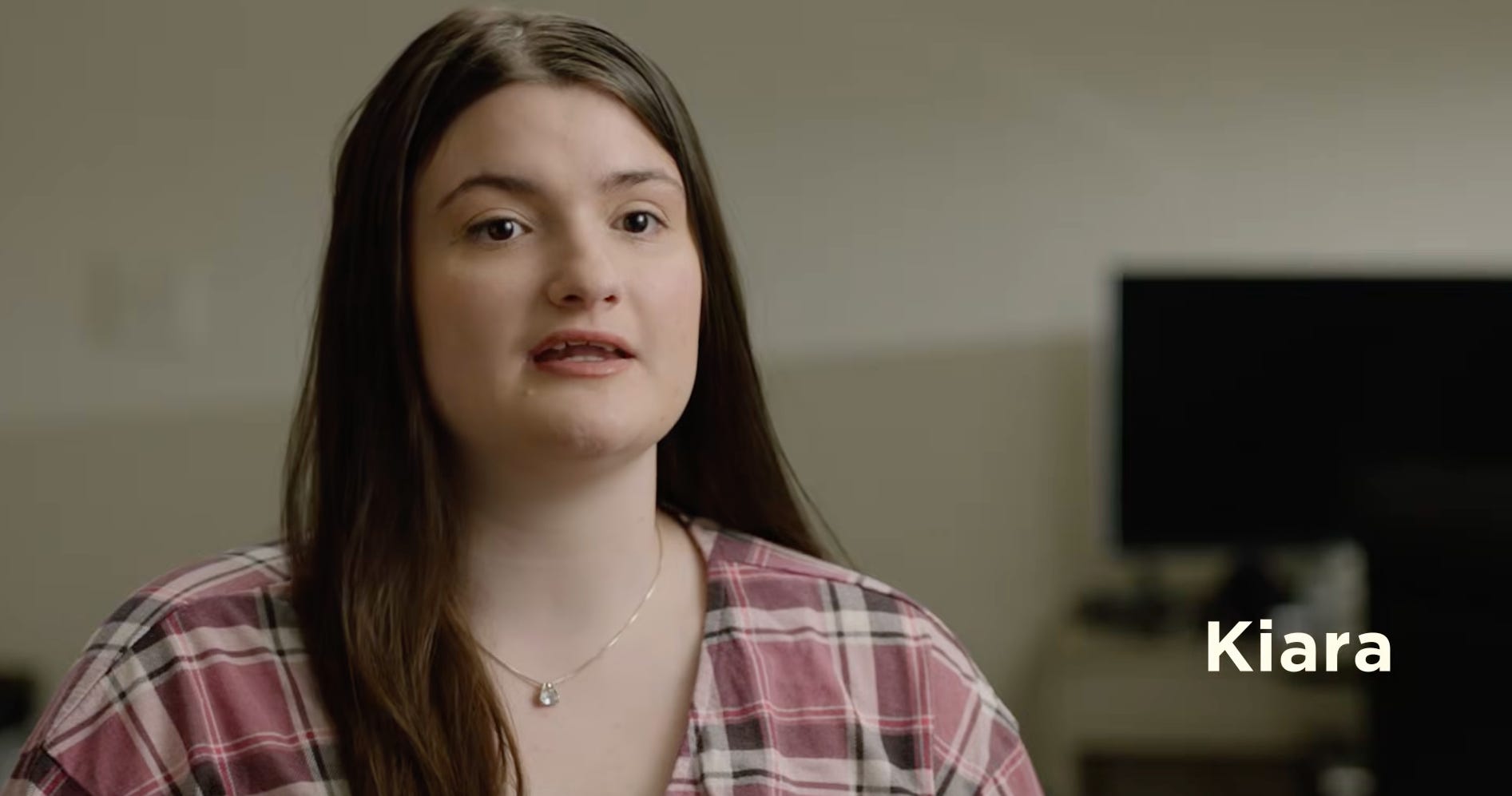
Joe is a lifelong Greensboro resident. His family are lifelong Republicans and he voted for both Donald Trump and Virginia Foxx. But he is fed up with the corruption and out of touch Republicans getting richer while North Carolinians’ costs keep going up.
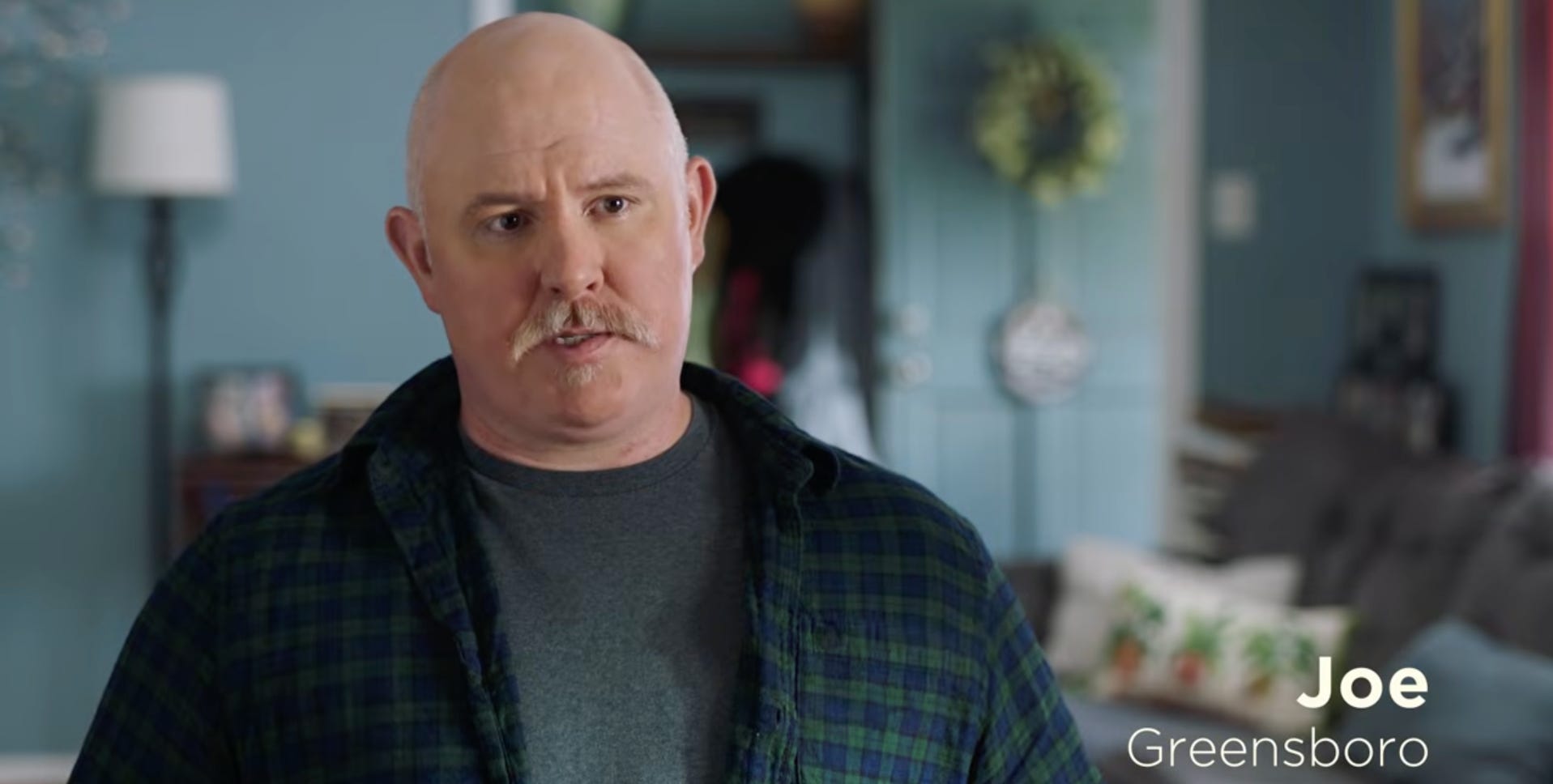
Cliff is a firefighter from Western North Carolina. His community was devastated when Hurricane Helene hit. He feels abandoned by his Republican congressmember, and is tired of seeing politicians get richer and richer while his community struggles to recover.
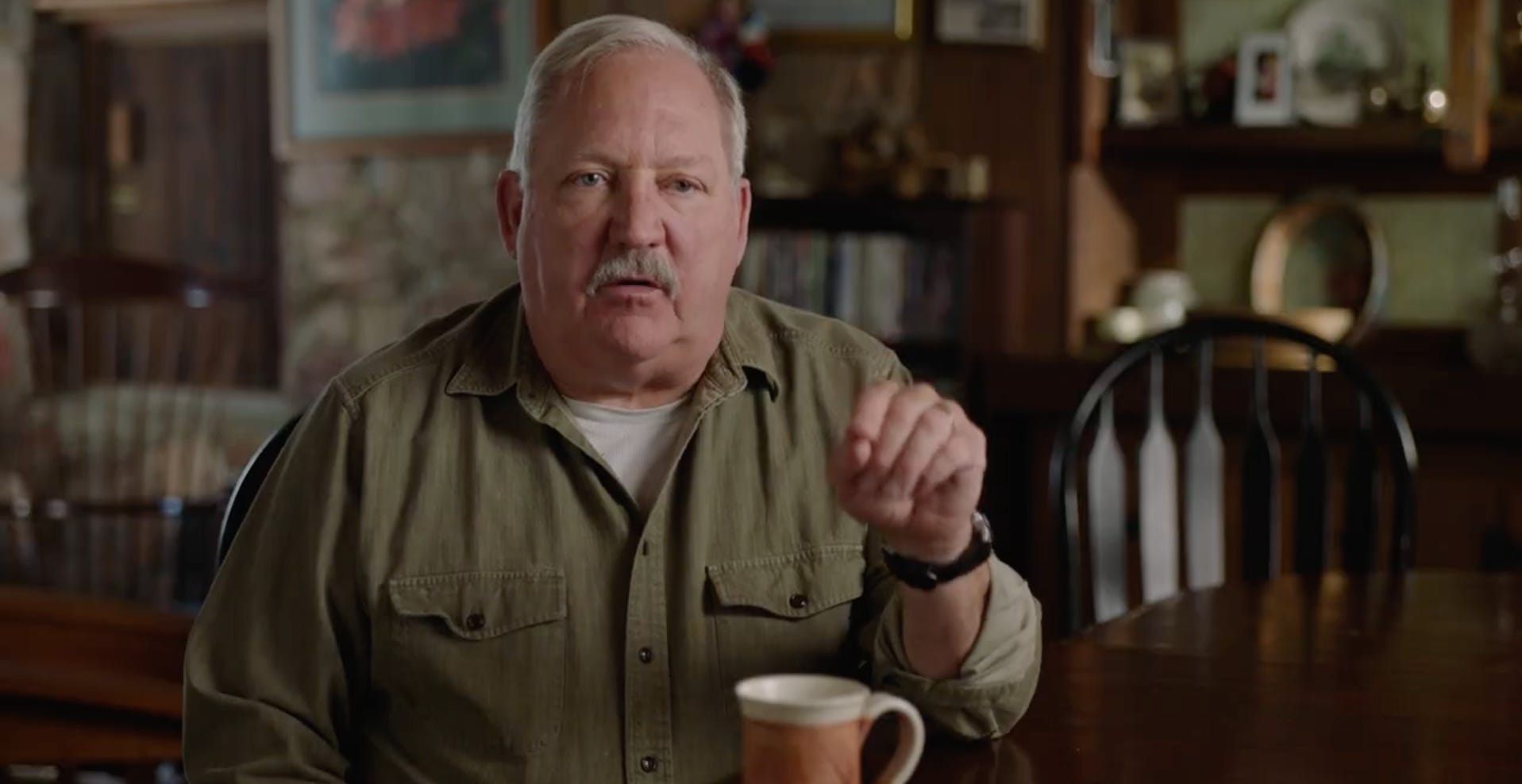
Jim is from Southern Pines and the owner of a small veterinarian business. He has seen his costs rise significantly over the past year, and it’s made it harder for him to keep his business afloat while his Republican congressman has been nonresponsive.
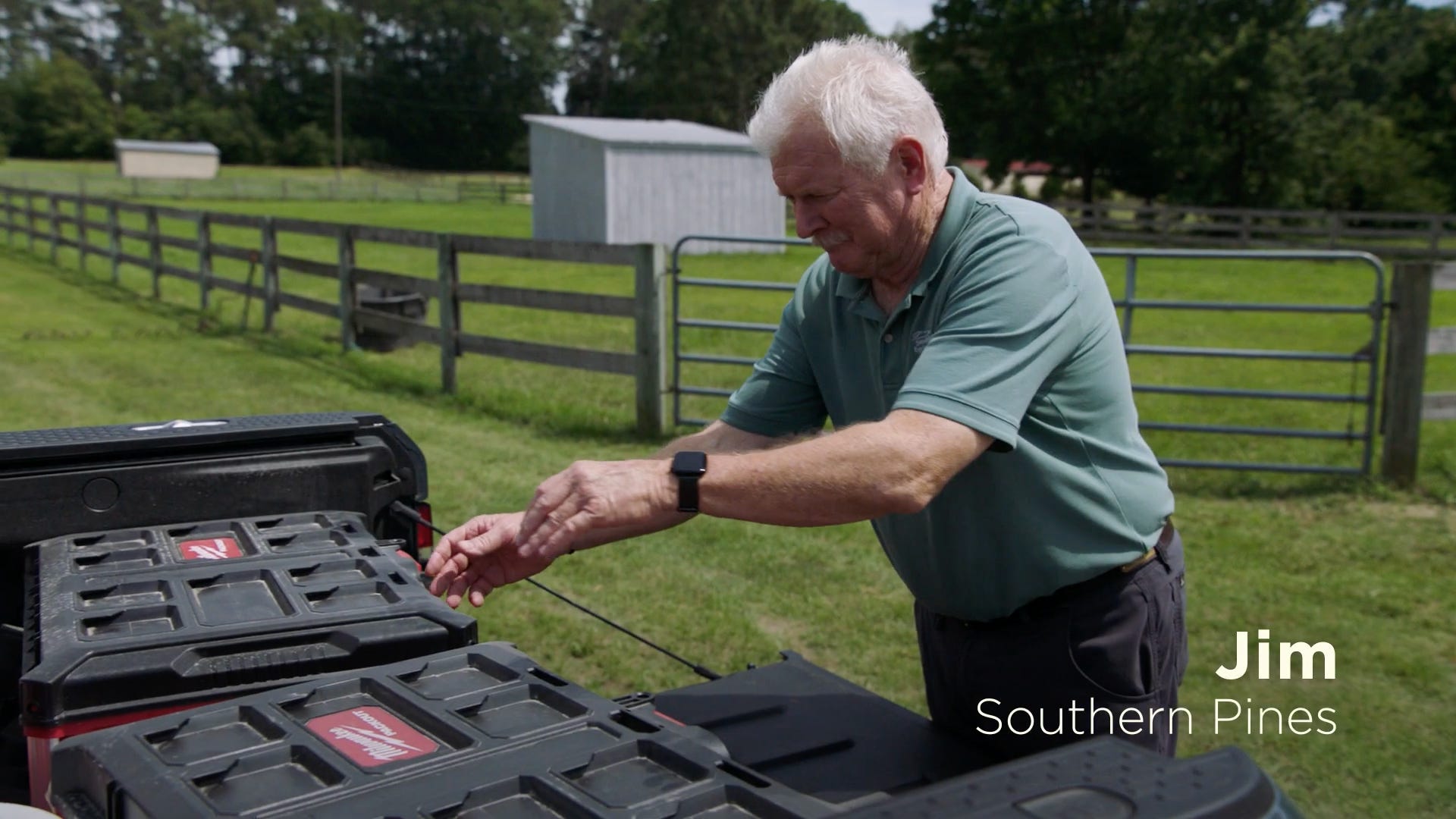
These voters are sick of soaring costs and Washington’s betrayal — and they’re far from alone. Their stories reflect what we’ve heard from working class voters across North Carolina throughout our focus groups.
That’s what this midterm ad campaign is all about: messaging on the issues that matter most to these voters, in a way that this Working Class Project shows actually resonates.
Working class voters in North Carolina are persuadable — but that is not the same as persuaded. The Democratic brand is still weak, and frustration with Republicans does not necessarily translate to enthusiasm for Democrats. But what we do have is an opening — and corruption and cost messaging present an opportunity for Democrats to break through with a group willing to vote for change.
Read more about American Bridge 21st Century’s Midterm Ad Campaign:
The New York Times: A Democratic Super PAC Makes a $50 Million Bet in Republican Strongholds
Associated Press: Democratic group launches ad campaign to help flip control of Congress in midterm elections
https://sharonlawrence.substack.com/p/elections-project-for-americas-future
here is my recommended platform designed to meet the needs of the bottom 2/3rds
https://sharonlawrence.substack.com/p/issue-insights-the-post-trump-federal
Here is the starter kit for attacking the corruption. Six more parts posted on additional elements.